Ewenki Ethnic Group
Introduction
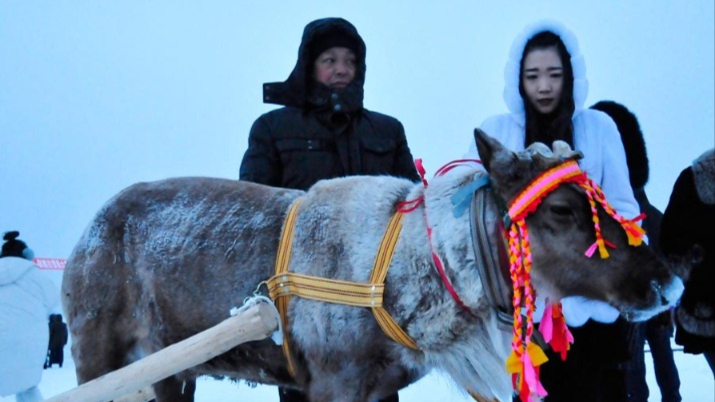
The Ewenki ethnic group is a unique and culturally rich community primarily residing in Heilongjiang province and Inner Mongolia autonomous region of China. Known for their deep connection to nature, traditional reindeer herding, and distinctive cultural practices, the Ewenki people are an integral part of China's diverse ethnic tapestry. The Aoluguya tribe, located in Genhe city, is particularly notable for being the last group in China to continue the tradition of reindeer herding, with around 1,200 reindeer maintained at any given time. This tradition not only serves as a vital aspect of their economy but also symbolizes their enduring cultural identity. The Ewenki language, traditional clothing, festivals, social structure, and economic practices all contribute to a vibrant cultural heritage that is preserved and celebrated through various community efforts and cultural festivals.
History
Traditionally, the Ewenki were known as semi-nomadic hunters and gatherers, relying heavily on the forest for sustenance and shelter. The practice of reindeer herding, which remains a significant aspect of Ewenki culture, can be traced back to ancient times. Over the years, despite the pressures of modernization and changes in socio-economic conditions, the Ewenki have managed to preserve many of their ancestral traditions and customs.
Language
The Ewenki language is a member of the Tungusic language family, which includes several languages spoken across Siberia and northeastern China. It serves as a cornerstone of cultural identity for the Ewenki people. Although the use of the Ewenki language has declined in recent years due to the influence of Mandarin, concerted efforts have been made to preserve and revitalize it. Language preservation programs and educational initiatives aim to teach the younger generations the Ewenki language to ensure its survival. The language is not only a means of communication but also a vessel for transmitting cultural knowledge, traditional practices, and oral histories, which are vital for maintaining the cultural heritage of the Ewenki people.
Culture
The Ewenki culture is a rich tapestry of traditional beliefs, practices, and artistic expressions that have been passed down through generations. Their way of life is closely linked to their natural environment, particularly the forests and reindeer pastures of the Greater Hinggan Mountains. The Ewenki people are known for their deep respect for nature and their spiritual beliefs, which often include elements of shamanism and animism. Cultural practices such as storytelling, music, and dance play an essential role in the community, providing a means for expressing cultural identity and social cohesion.
Traditional Clothing
Traditional Ewenki clothing is both functional and symbolic, reflecting their close relationship with the natural world. Garments are typically made from animal skins and furs, providing warmth and protection in the harsh climates of northern China. Reindeer pelts, in particular, are highly valued for their insulating properties. The clothing is often adorned with intricate embroidery and beadwork, showcasing the craftsmanship and artistic talents of the Ewenki people. Traditional clothing is worn during festivals and ceremonies, serving as a symbol of cultural pride and heritage.
Festivals
Festivals are a vibrant aspect of Ewenki culture, providing opportunities for communal gatherings, celebration, and the reinforcement of cultural identity. These events often feature traditional music, dance, and games, allowing the community to come together in a spirit of joy and unity. Festivals are also an occasion for the younger generation to learn about their cultural heritage and participate in traditional practices, ensuring the transmission of cultural knowledge and values.
Cuisine
Ewenki cuisine is heavily influenced by their environment and traditional way of life, with a focus on ingredients sourced from the forest and reindeer herding. Meat, particularly reindeer and game, forms a central component of their diet, often prepared through methods such as smoking and drying to preserve it for the winter months. Wild berries, mushrooms, and herbs gathered from the forest are also commonly used in Ewenki cooking, adding unique flavors and nutritional variety. Meals are a communal affair, fostering a sense of community and shared cultural experience.
Economy
The economy of the Ewenki ethnic group is traditionally based on a subsistence model, with reindeer herding, hunting, and gathering forming the backbone of their livelihood. The Aoluguya tribe's reindeer herding is a unique economic activity, providing not only transportation and food but also materials for clothing and trade. In recent years, tourism has emerged as an additional economic avenue, with the cultural and natural heritage of the Ewenki people attracting visitors interested in experiencing their way of life. The development of cultural tourism initiatives, such as the ice hotel in Olguya Ewenki township, highlights the community's efforts to balance economic development with cultural preservation.
Cultural Preservation Efforts
Cultural preservation is a key concern for the Ewenki ethnic group, as they navigate the challenges of modernization and globalization. Various initiatives have been undertaken to safeguard their cultural heritage, including language revitalization programs, documentation of traditional practices, and the promotion of cultural tourism. The establishment of cultural centers and museums serves as a repository for Ewenki history and culture, providing a platform for education and cultural exchange. Community-led efforts, supported by local and national governments, aim to ensure that the rich cultural legacy of the Ewenki people is preserved and celebrated for future generations.








